Mentor & Guide
Research & Resources
Our online library, research methodology and curriculum development support — in one place for learners, educators and organisations.
Mentor & Guide Research
Explore the Online Library
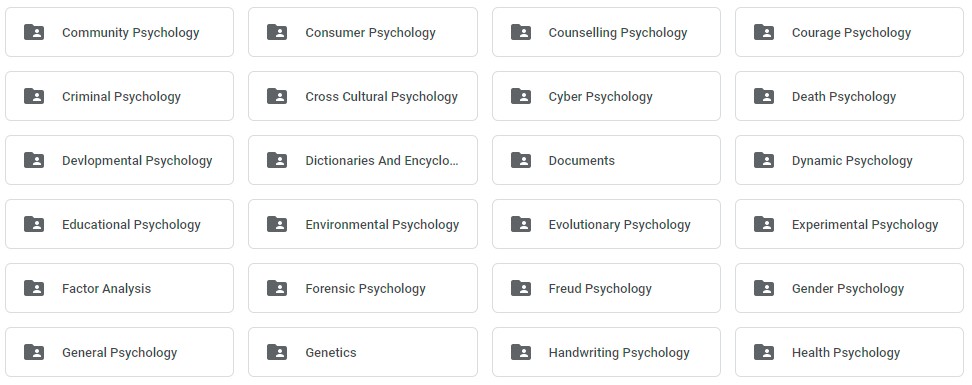
Psychology & Wellbeing Resources
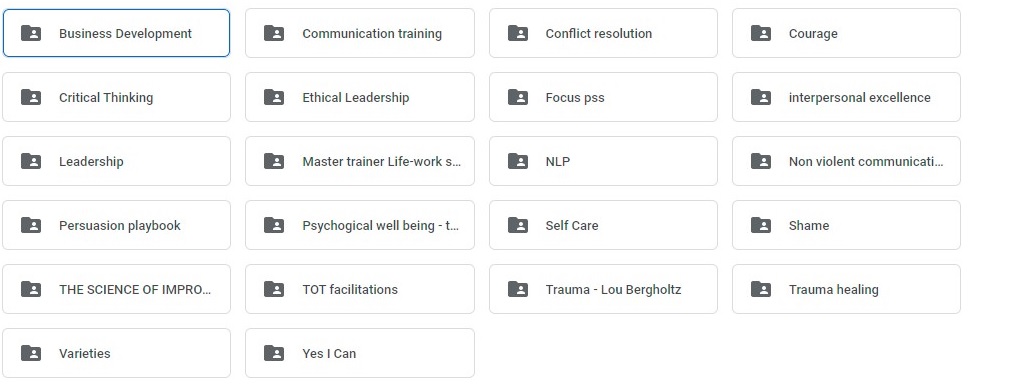
Business & Leadership Resources
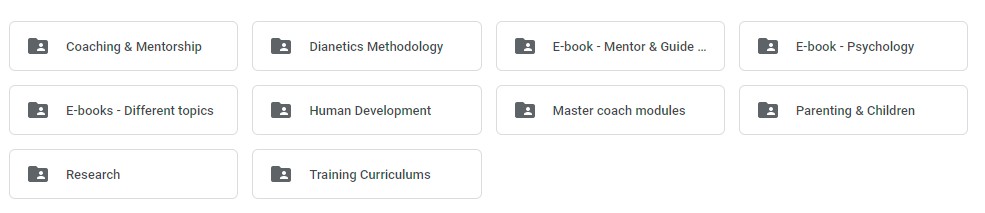
Coaching, Parenting & Curriculum Resources
Mentor & Guide Research
Methodology of Researching
Mentor & Guide uses a mixed methodology allows you to implement the strengths of both qualitative and quantitative research methods. In some cases, you may find that your research project would benefit from this. This approach is beneficial because it allows each methodology to counteract the weaknesses of the others.
What should you do to decide on a research methodology? The most logical way to determine your methodology is to decide whether you plan on conducting qualitative or quantitative research. You also have the option to implement a mixed methods approach. You should also look for key words that indicate a specific type of research methodology in your hypothesis or proposal. Some words may lean more towards one methodology over another.
Quantitative Research
Key words to look for:
Qualitative Research
Key words to look for:
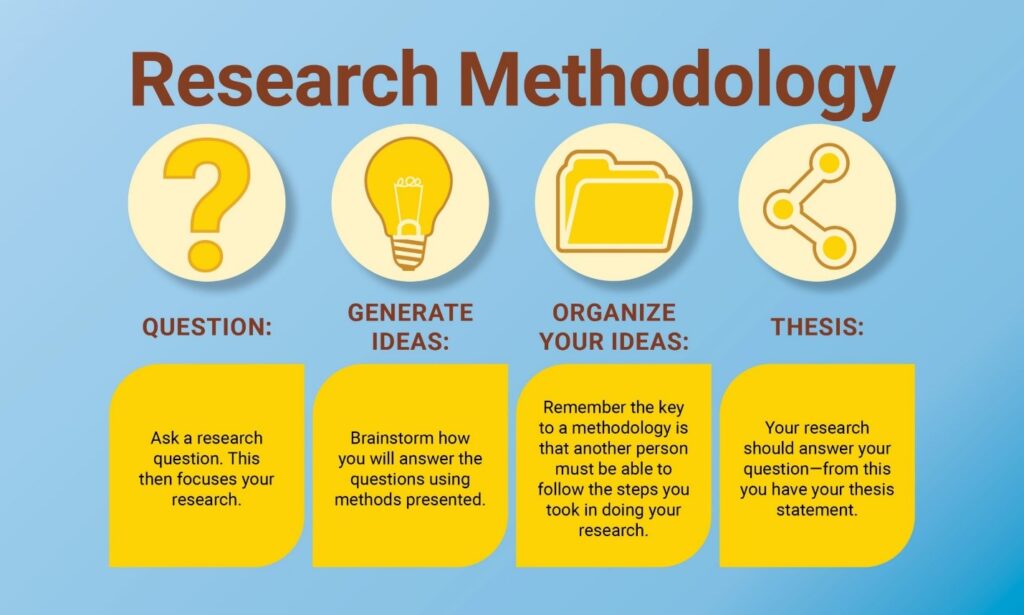
Mentor & Guide will help you build your research methodology and implement it.
Mentor & Guide Research
Curriculum Development
Whether you are exploring the idea of starting a program in your area, conducting a needs-assessment to see if there is a need for a mentoring program in your organization, enterprise, school and your community or are already in the process of establishing a program, our curriculum can help you find the resources and tools that you need to develop and implement a quality-based mentoring program.
Mentor & Guide will help you develop a curriculum based on your needs through the following six basic steps:

Six-Step Curriculum Development Process
Are there different curriculum development models? First, there are generally two types of curriculum models: the product model and the process model. The model you choose to follow will influence the steps you’ll take to develop the course. Entire textbooks have been written on these long-standing models, but here’s a brief explanation of each to make sure everyone is on the same page:
Product Model
Also known as the objectives model, this model focuses on evaluations, outcomes, and results. It determines what learning has occurred. If you need to develop a curriculum that prioritizes standardized test scores, you’ll need to adhere to the product model. Generally, this model is thought to be more rigid and more difficult to adapt to your students’ unique needs, but it does provide quantitative learning assessments.
Process Model
This model focuses on how learning develops over time. There’s an emphasis on how the students are learning, and what thoughts they have throughout the process. This approach is more open-ended and considers the overall growth and development of a student rather than their performance on an exam.
Consider the characteristics of each model as well as any institutional requirements you need to adhere to. You may already have a strong preference for one of the two! It is also possible to develop a curriculum that values both product and process.
Once you’ve determined what type of curriculum you want to create, it’s time to choose an approach. There are three widely accepted methodologies for curriculum design:
Subject-centered
Problem-centered
Learner-centered
We’ll explore each of these in greater detail later on so that you can determine which curriculum development strategy makes the most sense for your course.
Need research or curriculum support?
Tell us about your project and we will recommend the right next step.
Contact Mentor & Guide →